Stretch marks can be a source of concern for many people, particularly when they transition from their initial red or purple hue to a silvery white. While these marks are completely natural and incredibly common, understanding how to manage their appearance using simple, accessible ingredients from your own kitchen can be both empowering and practical. This guide explores the nature of white stretch marks and offers a range of homemade solutions that may help to soften and reduce their visibility over time.
Understanding white stretch marks and why they appear
What Are White Stretch Marks and How Do They Differ from Red Ones?
Stretch marks begin their journey as red or purple lines on the skin, a result of the dermis tearing when the skin stretches rapidly. This initial colouration is due to the blood vessels showing through the torn skin. As time passes, these marks mature and fade to a white or silvery shade, indicating that the blood vessels have narrowed and the underlying fat becomes more visible. White stretch marks are essentially older scars that have lost their initial inflammation. Unlike their red counterparts, which may respond more readily to treatments aimed at boosting collagen production, white stretch marks are more established and often require consistent care to show any improvement. The transition from red to white signifies a shift in the skin's healing process, and while this change is natural, it also means that the marks are more stubborn and less likely to vanish completely without intervention.
Common Causes Behind the Development of White Stretch Marks on Skin
The formation of stretch marks is closely tied to rapid changes in body shape. Pregnancy is one of the most common causes, with research suggesting that up to ninety per cent of expectant mothers will develop these marks as their bodies accommodate a growing baby. However, pregnancy is far from the only trigger. Rapid weight gain or loss, significant muscle building, and even growth spurts during adolescence can all lead to the skin stretching beyond its natural elasticity. Genetics also play a crucial role, as some individuals are simply more predisposed to developing stretch marks than others. Additionally, prolonged use of corticosteroids can weaken the skin's structure, making it more vulnerable to tearing. Understanding these causes is the first step in addressing stretch marks effectively, as it highlights the importance of maintaining skin hydration and elasticity as a preventative measure.
Natural Kitchen Ingredients That Help Reduce the Appearance of White Stretch Marks
Olive Oil and Coconut Oil: Nourishing Solutions for Skin Elasticity
Coconut oil stands out as a versatile and deeply nourishing remedy for improving skin elasticity. Rich in fatty acids, this kitchen staple works to create a protective barrier on the skin, locking in moisture and supporting the skin's natural repair processes. Massaging coconut oil into areas affected by stretch marks, especially after a shower when the skin is still slightly damp, allows for maximum absorption and can gradually enhance the skin's texture. Sweet almond oil offers similar benefits, acting as a gentle moisturiser that nourishes the skin barrier and may help to soften the appearance of older scars. Both oils are prized for their ability to keep the skin supple and hydrated, which is essential for maintaining overall skin health and potentially reducing the visibility of white stretch marks over time. Regular application of these oils can also improve the skin's tone and provide a soothing, anti-inflammatory effect that supports the healing process.
Aloe Vera and Lemon Juice: Brightening Remedies for Stubborn Marks
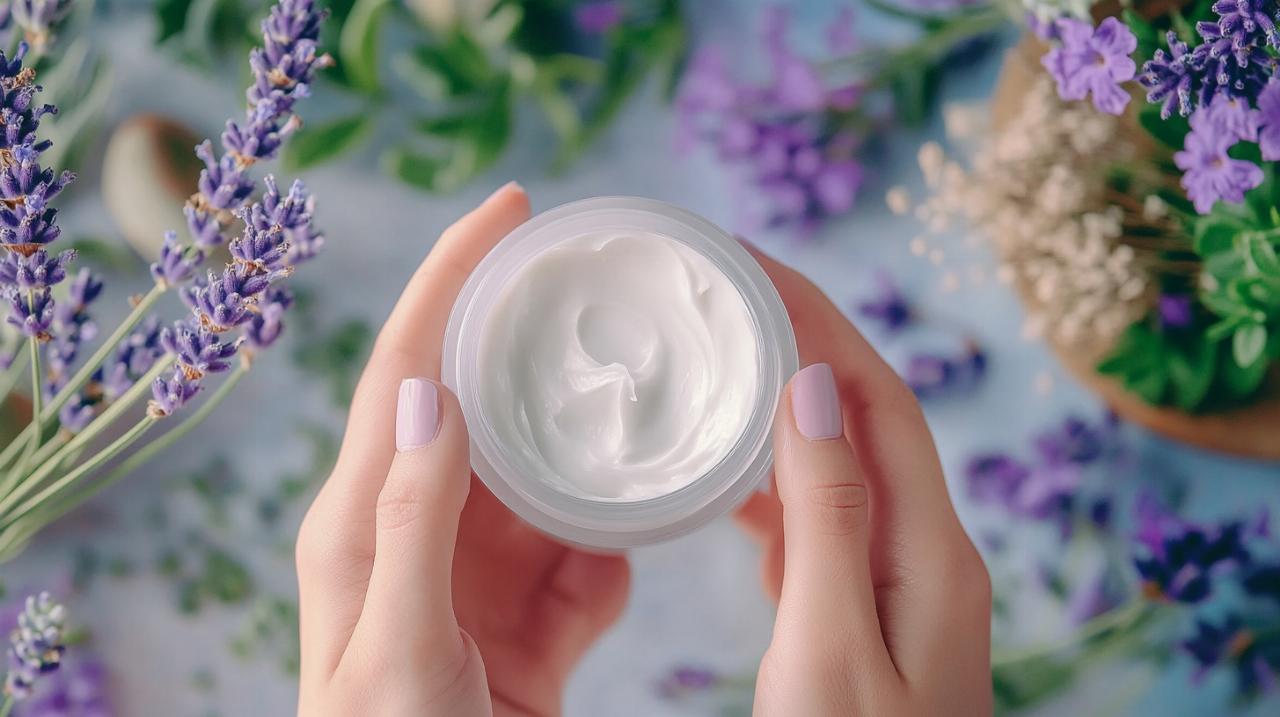
Aloe vera is renowned for its soothing and moisturising properties, making it an excellent choice for addressing stretch marks. This plant-based remedy contains compounds that help to calm inflammation and support wound healing, which can be particularly beneficial for older marks that have faded to white. Applying fresh aloe vera gel directly to the skin and leaving it on for twenty to thirty minutes before rinsing can nourish the skin and promote elasticity. On the other hand, lemon juice offers a different approach by leveraging its high vitamin C content to support collagen production and improve skin tone. When mixed with a small amount of water and honey, lemon juice can be applied to stretch marks for ten to fifteen minutes before rinsing off. It is important to avoid sun exposure immediately after using lemon juice, as it can make the skin more sensitive to ultraviolet light. Honey itself is a valuable addition, as it hydrates the skin and aids in regeneration, working in tandem with lemon juice to brighten and smooth the affected areas. Together, these natural ingredients offer a gentle yet effective way to address the appearance of stubborn white stretch marks.
Practical Tips for Applying Homemade Treatments to Minimise Stretch Marks
Daily Routines and Massage Techniques for Best Results
Consistency is key when it comes to reducing the appearance of stretch marks with homemade remedies. Establishing a daily routine that incorporates gentle massage can significantly enhance the effectiveness of natural treatments. Massaging the skin not only helps to improve circulation but also encourages the absorption of nourishing oils and other ingredients. When applying coconut oil or sweet almond oil, use circular motions and apply gentle pressure to the affected areas. This technique can stimulate collagen stimulation and promote skin growth, which may gradually soften the appearance of white stretch marks. For those using aloe vera or lemon juice mixtures, allowing the treatment to sit on the skin for the recommended time ensures that the active compounds have sufficient opportunity to work. Sugar scrubs can also be incorporated into your routine once or twice a week to exfoliate dead skin cells, revealing fresher skin underneath and allowing moisturisers to penetrate more deeply. However, it is important to be gentle during exfoliation to avoid irritating the skin further. By making these practices a regular part of your skincare routine, you create an environment that supports skin elasticity and overall skin hydration.
Combining Diet and Hydration with Topical Solutions for Healthier Skin
While topical treatments play a vital role in managing stretch marks, internal factors such as diet and hydration are equally important for maintaining healthy, resilient skin. Ensuring that your body receives adequate nutrients can support collagen production and skin elasticity from within. Foods rich in vitamin A, such as fish, eggs, and a variety of vegetables, contribute to skin growth and moisture, although it is wise to be cautious with supplements, particularly during pregnancy. Similarly, vitamin C is essential for collagen synthesis and can be found in citrus fruits, berries, and leafy greens. Including sources of hyaluronic acid, such as egg whites, in your diet can aid in wound healing and hydration, while fatty acids from sources like argan oil and rosehip oil can help to nourish the skin. Staying well-hydrated is another cornerstone of healthy skin, as it helps to maintain the skin barrier and supports the body's natural repair mechanisms. Drinking plenty of water throughout the day ensures that your skin remains supple and better equipped to recover from the stress of rapid stretching. By combining a nutrient-rich diet with regular hydration and the consistent application of natural remedies, you create a comprehensive approach to minimising the appearance of white stretch marks and promoting overall skin health.